
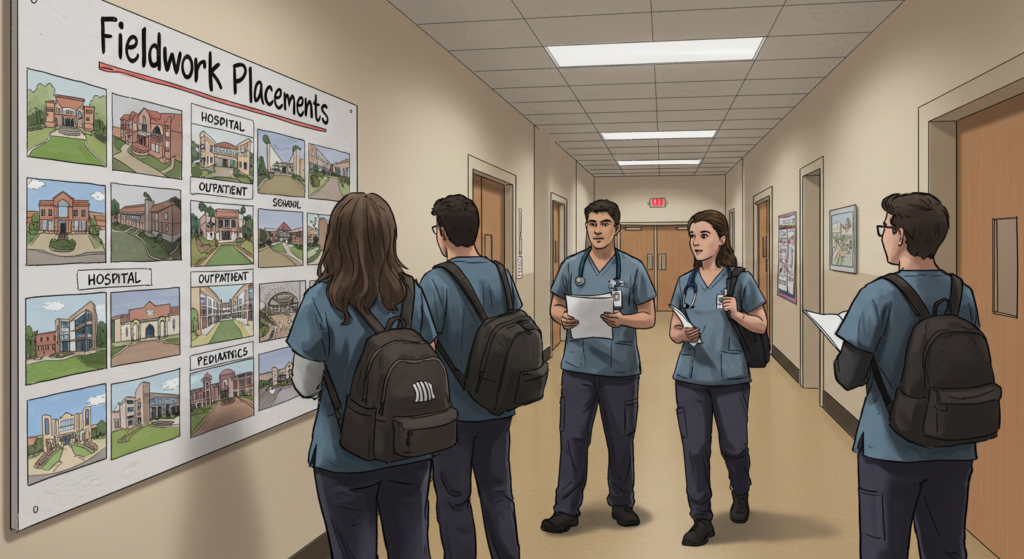
When I had to rank my fieldwork preferences, I was lost. Everyone says, “Choose the right placement,” but no one really explains what that means — or what to actually expect at different sites.
After talking with OT practitioners and finishing Level II myself, I realized the best clinical OT sites aren’t just the ones with the biggest names or coolest equipment. They’re the ones where you actually learn how to become a confident, competent occupational therapist.
So, if you’re feeling overwhelmed or unsure, you’re in the right place. I put this guide together based on the fieldwork sites OT students most often choose when ranking their placement preferences.
What Makes a Fieldwork Site Great for OT Students?
Before jumping into the list, here’s what many OT students (myself included) agree makes a fieldwork site truly great:
- A supportive, teaching-focused CI
- Real hands-on experience — not just observation
- Clear feedback, not guesswork
- A variety of diagnoses and patient populations
- A safe, inclusive, and encouraging work environment
- Opportunities to become more independent over time
Here are the 5 Best Fieldwork Sites OT Students Love:
1. Large Inpatient Rehab Hospitals
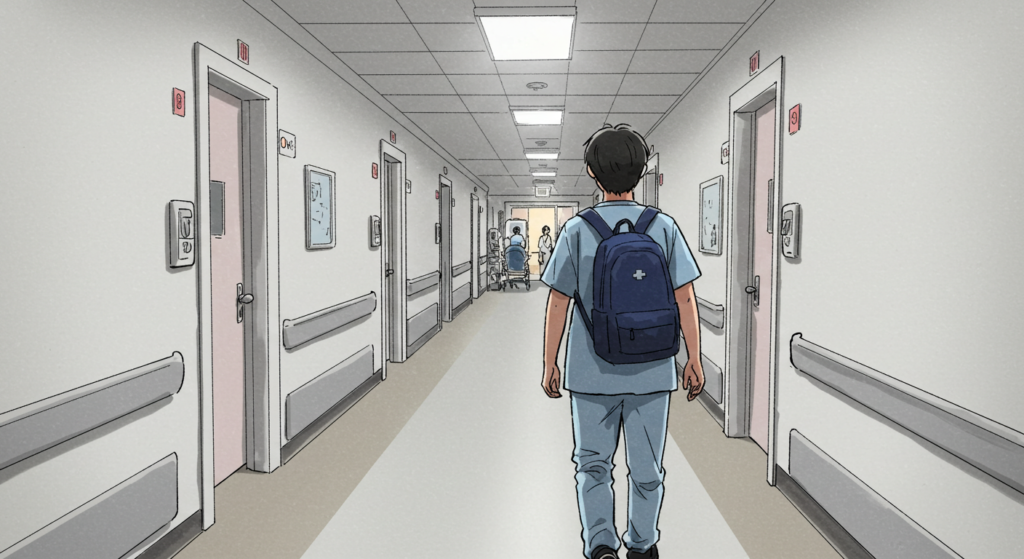
Best for: Neuro, ortho, high-intensity learning
Inpatient rehab hospitals were hands-down one of the best clinical OT sites among OT students. These settings give you a deep dive into neuro and orthopedic rehab — think: stroke, spinal cord injuries, joint replacements, and more.
What to Expect: You will work with patients recovering from strokes, spinal cord injuries, traumatic brain injuries, and joint replacements. Expect busy schedules, interdisciplinary collaboration, and daily opportunities to practice transfers, ADLs, and discharge planning.
Why OT Students Love Large Inpatient Rehab Hospitals:
Tons of hands-on experience – From ADLs to transfers, you’ll be actively involved in treatment, not just watching.
Structured mentorship – Weekly meetings with your CI keep you on track and reduce the guesswork.
Teamwork makes the dream work – You’ll work with PTs, SLPs, nurses, and case managers daily.
Patient variety – You’ll never be bored. Every day brings something new.
Real-world fast pace – Especially in city hospitals, you’ll learn how to keep up while still providing client-centered care.
So, if you’re interested in working in acute care or neuro, don’t overlook inpatient rehab — it’s intense but incredibly rewarding.
2. Outpatient Pediatric Clinics
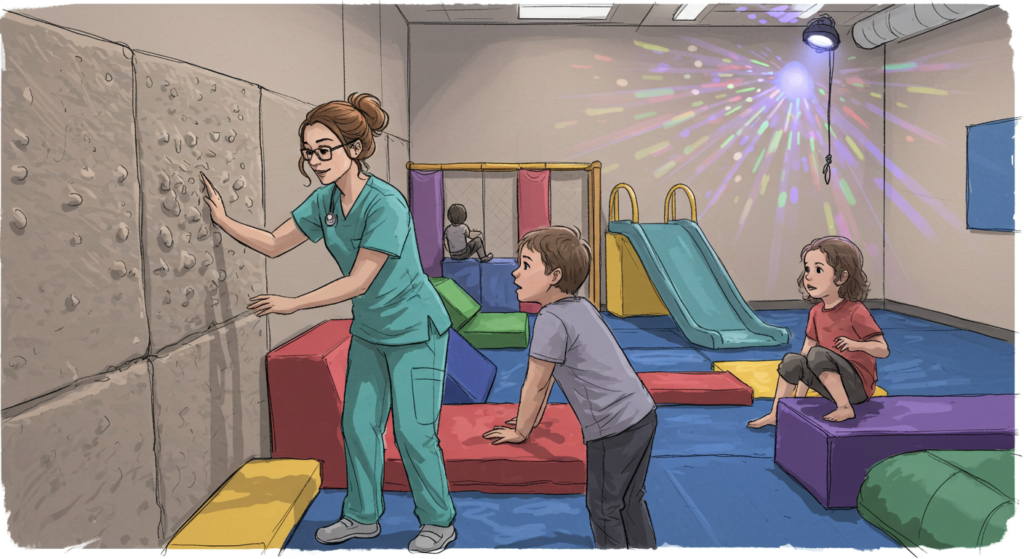
Best for: Students passionate about play, sensory integration, and working with kids
What to Expect: You’ll treat kids with autism, sensory processing disorder, ADHD, cerebral palsy, and developmental delays. Sessions often take place in sensory gyms and involve games, obstacle courses, fine motor activities, and caregiver coaching.
Why OT Students Love Outpatient Pediatric Clinics:
This one’s a favorite for anyone who loves working with kids. It’s high-energy, creative, and just fun. You’ll get to help kids with autism, sensory processing disorders, developmental delays — you name it.
- Sensory gyms = the best classrooms — You’ll get to apply what you learned in school about sensory integration in real time.
- Play is therapy — And yes, it’s as fun as it sounds. But don’t be fooled — there’s serious clinical reasoning going on behind every activity.
- Parents are part of the team — You’ll learn how to coach caregivers and collaborate with families, which is huge in pediatrics.
3. School-Based Placements

Best for: Students interested in education, IEPs, and working with children in natural environments
What to Expect: You’ll write IEP goals, deliver therapy in classrooms, and collaborate with teachers, SLPs, PTs, and school psychologists. Diagnoses often include autism, ADHD, learning disabilities, and sensory processing challenges.
Why OT Students Love School-Based Placements:
- Predictable schedule — You’re working school hours, so it’s nice and consistent.
- Functional, real-world goals — It’s incredibly rewarding to help a child participate more fully in their school day.
- Tons of teamwork — You’ll be part of the broader school support system.
- Lots of writing practice — I got much better at writing professional reports and emails — a super underrated skill!
4. Hand Therapy Clinics
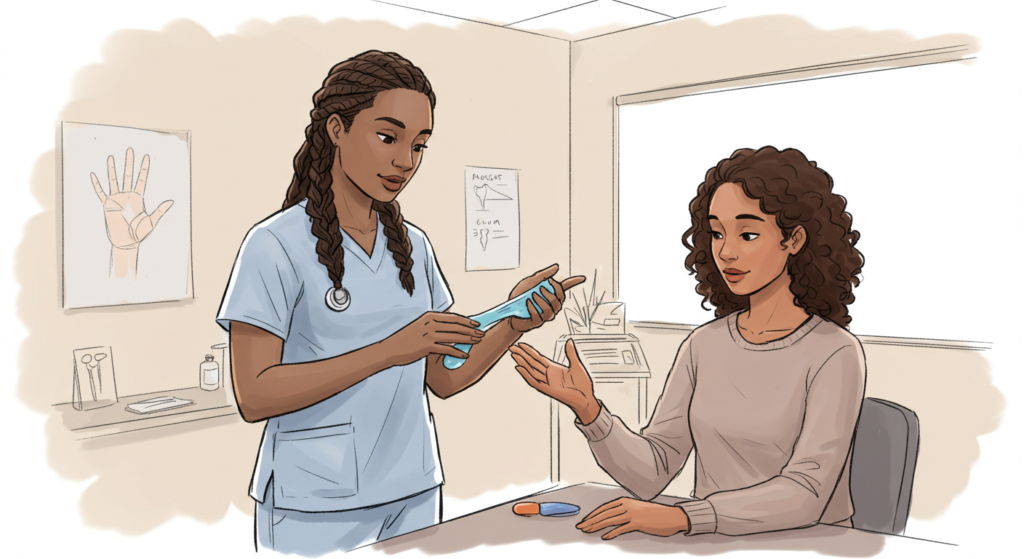
Best for: Students who love anatomy, orthopedics, and precise clinical work.
What to Expect: If you’re into kinesiology, splinting, or ortho, it’s a dream. You’ll work one-on-one with clients recovering from fractures, tendon repairs, surgeries, arthritis, and overuse injuries. Expect to practice manual therapy, therapeutic exercise, and custom splint fabrication under the guidance of certified hand therapists.
Why OT Students Love Hand Therapy Clinics:
- Everything is hands-on (literally) — You’ll do exercises, manual therapy, and maybe even fabricate splints.
- One-on-one learning — Many clinics have Certified Hand Therapists who are super knowledgeable and love to teach.
- Deep dive into anatomy — If you liked anatomy class, you’ll thrive here.
- Creative problem solving — It’s all about function — think: “how can we get this person back to work, cooking, or typing?”
5. Mental Health & Community-Based Sites
Best for: Students drawn to psych, community work, and holistic practice
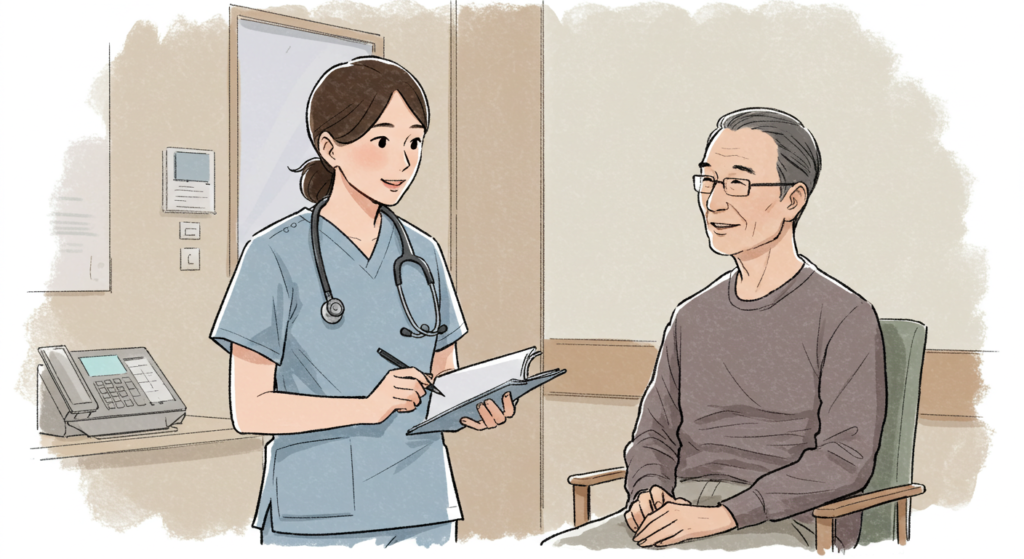
What to Expect: Many OT students who are interested in psychology find mental health-based sites the right fit. Unlike hospital or clinic settings where the focus might be on physical function or discharge planning, these placements are often centered around life participation, emotional regulation, routine-building, and community reintegration. You’ll see the full spectrum of how OT supports people in real life — beyond diagnosis codes. You may work in community centers, shelters, or transitional housing programs, helping clients build life skills, manage routines, and reintegrate into daily life. Diagnoses may include PTSD, schizophrenia, depression, and substance use disorders.
- Run or co-lead life skills groups (budgeting, cooking, etc.)
- Work on coping strategies, emotion regulation, and routines
- Partner with local shelters, mental health programs, or reentry programs
- Support clients in building independence and confidence
Why OT Students Love Mental Health & Community-Based Sites:
- Holistic, person-centered practice – You’re treating the whole person, not just a diagnosis.
- Flexible, evolving caseloads – No two clients (or days) are the same.
- Stronger therapeutic use of self – You’ll sharpen your communication, empathy, and counseling skills.
- Interdisciplinary collaboration – Work alongside social workers, case managers, psych nurses, and peer recovery specialists.
- Creative freedom – You’ll often get to design your own group sessions or activities based on client interests and needs.
How to Choose the Best OT Fieldwork Site for You
Here’s what helps choose the best fieldwork site for you:
- Ask yourself what population you’re passionate about
- Consider your learning style — structured vs. flexible? Fast-paced or slow?
- Think long-term: What settings do you want on your resume?
- Don’t just play it safe — challenge yourself with at least one unfamiliar setting
- Ask your program about CI reputation — a good mentor matters so much
Summary Table of the Best Fieldwork Sites for OT Students:
Inpatient Rehab Hospitals
Best For: Students interested in neuro/ortho and fast-paced, hands-on experience.
Common Diagnoses: Stroke, TBI, SCI, fractures, joint replacements.
Learning Opportunities: ADL retraining, transfers, interdisciplinary care, discharge planning.
Why Students Love It: Diverse caseload, strong mentorship, weekly feedback, real-world learning.
Outpatient Pediatric Clinics
Best For: Students who enjoy working with children, sensory-based therapy, and play.
Common Diagnoses: ASD, SPD, CP, ADHD, developmental delays.
Learning Opportunities: Play-based therapy, parent education, fine/gross motor skills.
Why Students Love It: Fun atmosphere, energetic CIs, creative interventions, visible progress.
School-Based Placements
Best For: Students interested in education, IEPs, and school-based support.
Common Diagnoses: ADHD, ASD, learning disabilities, sensory issues.
Learning Opportunities: IEP goal writing, push-in sessions, teacher collaboration.
Why Students Love It: Predictable schedule, strong teamwork, real classroom impact.
Hand Therapy Clinics
Best For: Students who love anatomy, orthopedics, and technical clinical skills.
Common Diagnoses: Tendon injuries, fractures, arthritis, post-op recovery.
Learning Opportunities: Splinting, fine motor retraining, manual therapy.
Why Students Love It: One-on-one mentorship, advanced clinical reasoning, detail-focused care.
Mental Health & Community-Based
Best For: Students passionate about psych, trauma-informed care, or holistic OT.
Common Diagnoses: PTSD, depression, schizophrenia, homelessness.
Learning Opportunities: Life skills groups, emotion regulation, community reentry.
Why Students Love It: Creative freedom, deep client relationships, meaningful work.
Best Fieldwork Sites for OT Students Based on Personality:
Analytical & Detail-Oriented
Best Site: Hand Therapy Clinics
Why: Enjoys technical challenges, splinting, and precision-based rehab.
Creative & Playful
Best Site: Outpatient Pediatric Clinics
Why: Engaging, fun therapy using sensory integration and play-based techniques.
Outgoing & Team-Oriented
Best Site: School-Based Placements
Why: Collaborate with educators, SLPs, PTs in natural school environments.
Empathetic & Reflective
Best Site: Mental Health / Community-Based
Why: Build therapeutic relationships and support real-world life skills.
Fast-Paced & Adaptive
Best Site: Inpatient Rehab Hospitals
Why: High-energy environment with diverse, complex patient care.
Hands-On & Repetitive Learner
Best Site: Outpatient Neuro or Ortho Clinics
Why: Skill-building through repetition and refined treatment techniques.
Career-Focused & Goal-Driven
Best Site: Any specialty-aligned placement
Why: Gain targeted experience in the setting that matches your long-term OT goals.
Balanced & Low-Stress Seeker
Best Site: School-Based or Outpatient Clinics
Why: Predictable schedules and supportive, lower-pressure environments.
Curious & Open-Minded
Best Site: Inpatient Rehab or Community-Based
Why: Variety of cases lets you explore different specialties and interests.
Choosing the right OT fieldwork site isn’t just about location or prestige — it’s about fit. Think about your goals, your growth edges, and the kind of OT you want to become.
Want to know what students really thought of their placements?
Check out real students’ reviews, and be sure to share your own experience!